
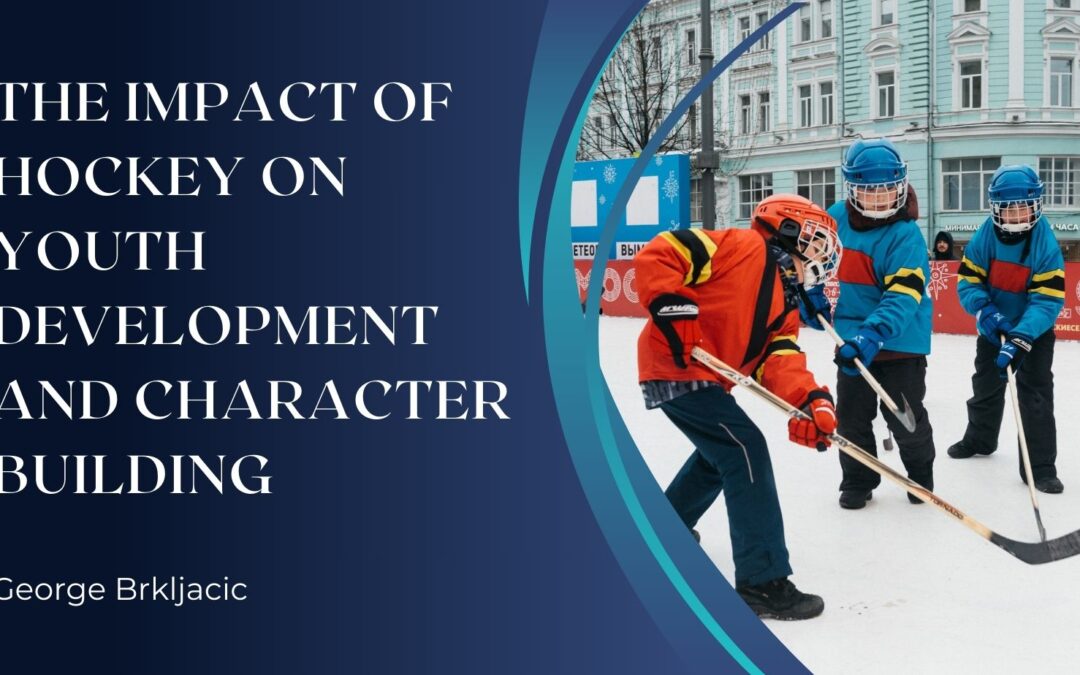
Hockey is more than just a sport; it’s a platform for personal growth and character building, particularly for young players. The lessons learned on the ice extend far beyond the rink, shaping values and life skills that last a lifetime. From teamwork to discipline, hockey fosters an environment that encourages positive youth development.
One of the most profound impacts of hockey is its ability to teach teamwork. As a sport that relies heavily on cooperation and coordination, hockey requires players to work together to achieve a common goal. Young athletes quickly learn that individual success is tied to the team’s performance. This understanding nurtures a sense of accountability and collective responsibility, valuable traits that benefit players in school, relationships, and future careers.
Hockey also instills discipline and a strong work ethic. Practices, games, and training sessions demand commitment and focus, teaching players the importance of consistency and perseverance. Whether it’s waking up early for practice or pushing through a challenging drill, young athletes develop a mindset of dedication that helps them tackle obstacles in all areas of life.
Resilience is another critical trait cultivated through hockey. The fast-paced nature of the game means mistakes are inevitable, but players learn to bounce back quickly. Losing a game or facing setbacks on the ice teaches young athletes to handle adversity with grace and determination. This resilience builds mental toughness, equipping players to face challenges both on and off the rink.
Hockey’s emphasis on sportsmanship reinforces respect for others. Players are taught to compete fiercely while maintaining fairness and integrity. The handshake line at the end of a game, regardless of the outcome, is a powerful symbol of mutual respect and camaraderie. These values foster a positive attitude and a deep appreciation for effort and skill, whether in teammates or opponents.
The sport also promotes physical fitness and healthy habits. Regular practices and games improve cardiovascular health, strength, and coordination. Beyond physical benefits, hockey encourages young players to adopt routines that prioritize well-being, such as proper nutrition, hydration, and adequate rest. These habits contribute to a holistic approach to health that extends into adulthood.
Hockey’s inclusive and diverse environment helps young players develop social skills and emotional intelligence. Interacting with teammates, coaches, and opponents from various backgrounds broadens perspectives and fosters empathy. The ability to communicate effectively and adapt to different personalities is a skill that proves invaluable in both personal and professional settings.
Confidence and self-esteem are natural byproducts of playing hockey. As players hone their skills and achieve personal and team goals, they build a sense of accomplishment. This confidence transcends the ice, empowering young athletes to take on new challenges and believe in their abilities.
For many youth, hockey serves as a positive outlet for energy and emotions. The structured nature of the sport provides a safe space to channel stress, frustration, and excitement. This emotional release contributes to mental well-being and helps young players develop healthy coping mechanisms.
Parental involvement in hockey also strengthens family bonds. Whether it’s cheering from the stands, volunteering as a team manager, or simply driving to practice, hockey creates opportunities for shared experiences and memories. These moments foster a sense of connection and support within families, enhancing the overall developmental impact of the sport.
Hockey’s ability to build character is further amplified by the guidance of coaches and mentors. Coaches serve as role models, teaching not only the technical aspects of the game but also life lessons about leadership, accountability, and perseverance. The mentorship provided by coaches can leave a lasting impression, shaping young athletes into responsible and compassionate individuals.
The impact of hockey on youth development and character building is profound and multifaceted. It goes beyond physical fitness, equipping players with essential life skills and values that prepare them for success in all areas of life. By fostering teamwork, discipline, resilience, and respect, hockey shapes young players into well-rounded individuals who carry the lessons of the game with them long after they leave the rink.